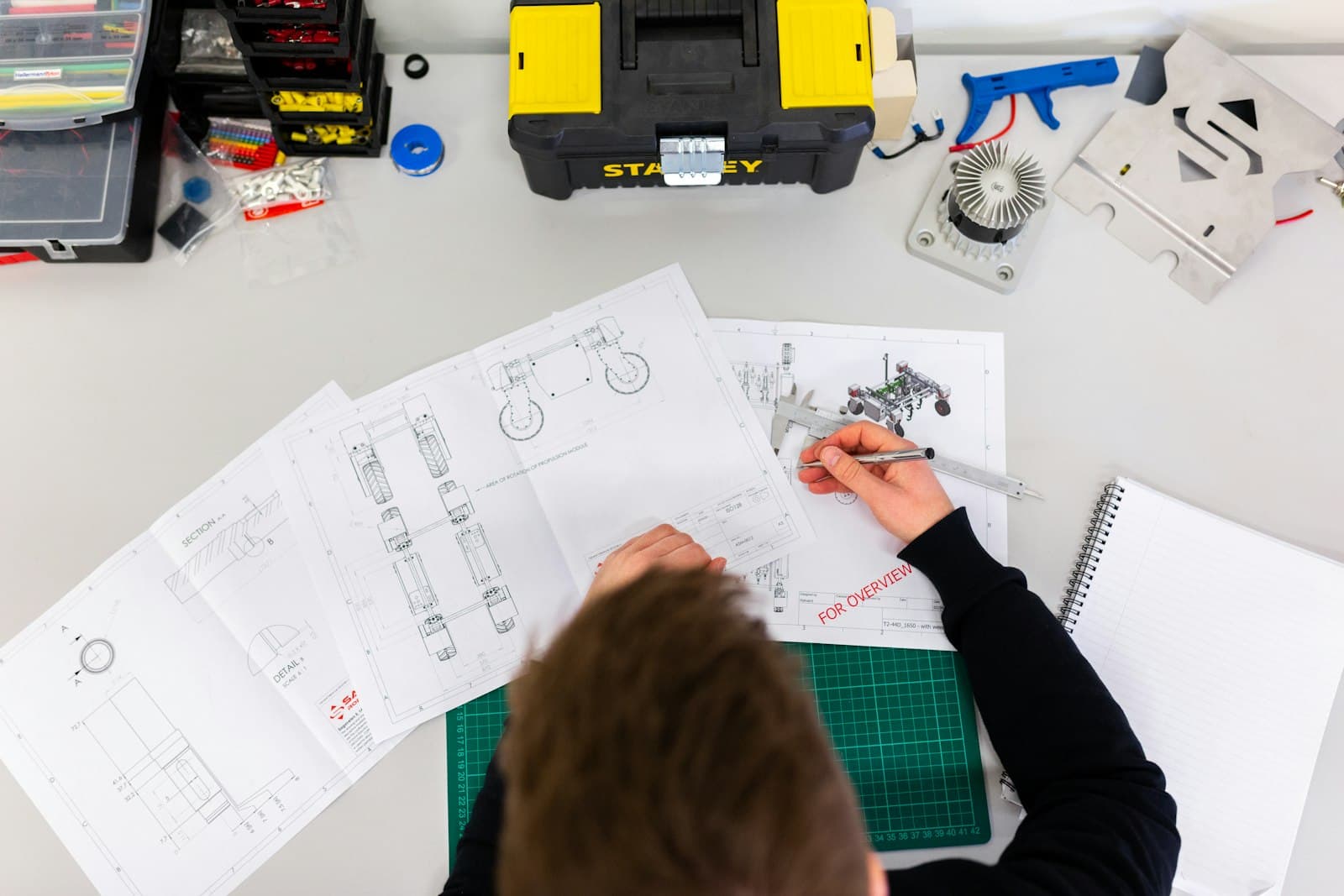
What we build for factories.
Six capabilities. All of them running in production somewhere, not on a roadmap.
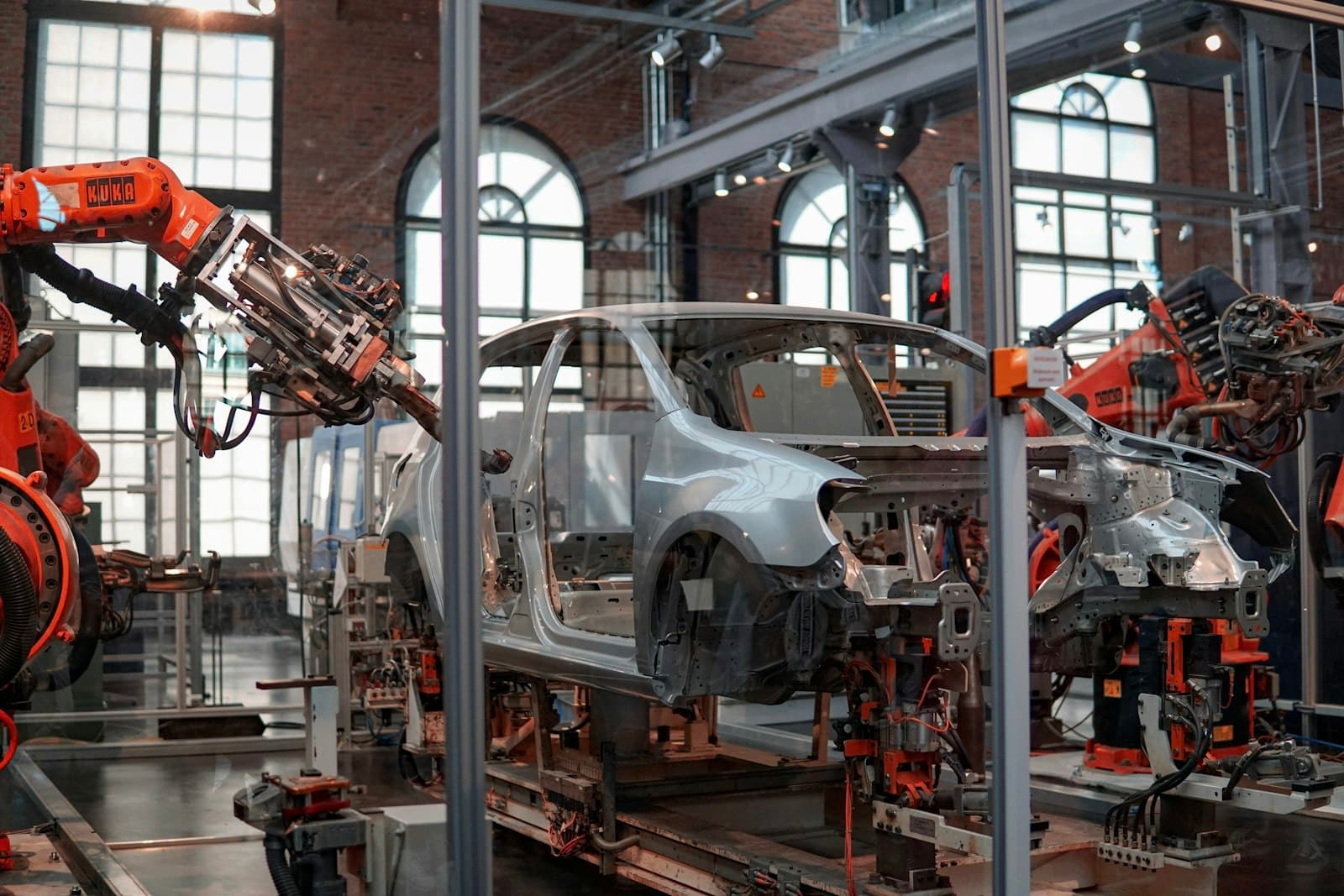
01 / 06
Material and inventory traceability
Material inward starts at the gate, not at a data entry desk. The supplier's invoice is photographed, AI reads every line, and a unique code is created for each sack, drum or carton on the truck before it is unloaded. From that moment the unit has an identity, and everything that happens to it is recorded against that identity.
Stock is what has been scanned, nothing else. A sack becomes stock when the store scans it in, leaves stock when the store scans it out, and the balance cannot go negative because the ledger will not accept a movement that did not happen. There is no month-end reconciliation, because there is nothing to reconcile.
On the floor this looks like one person with a phone, one beep per sack. At the paint factory this replaced a register that recorded 2,500 sacks per truck by hand. Scan any code in the plant today and you see its entire life, back to the invoice it arrived on.
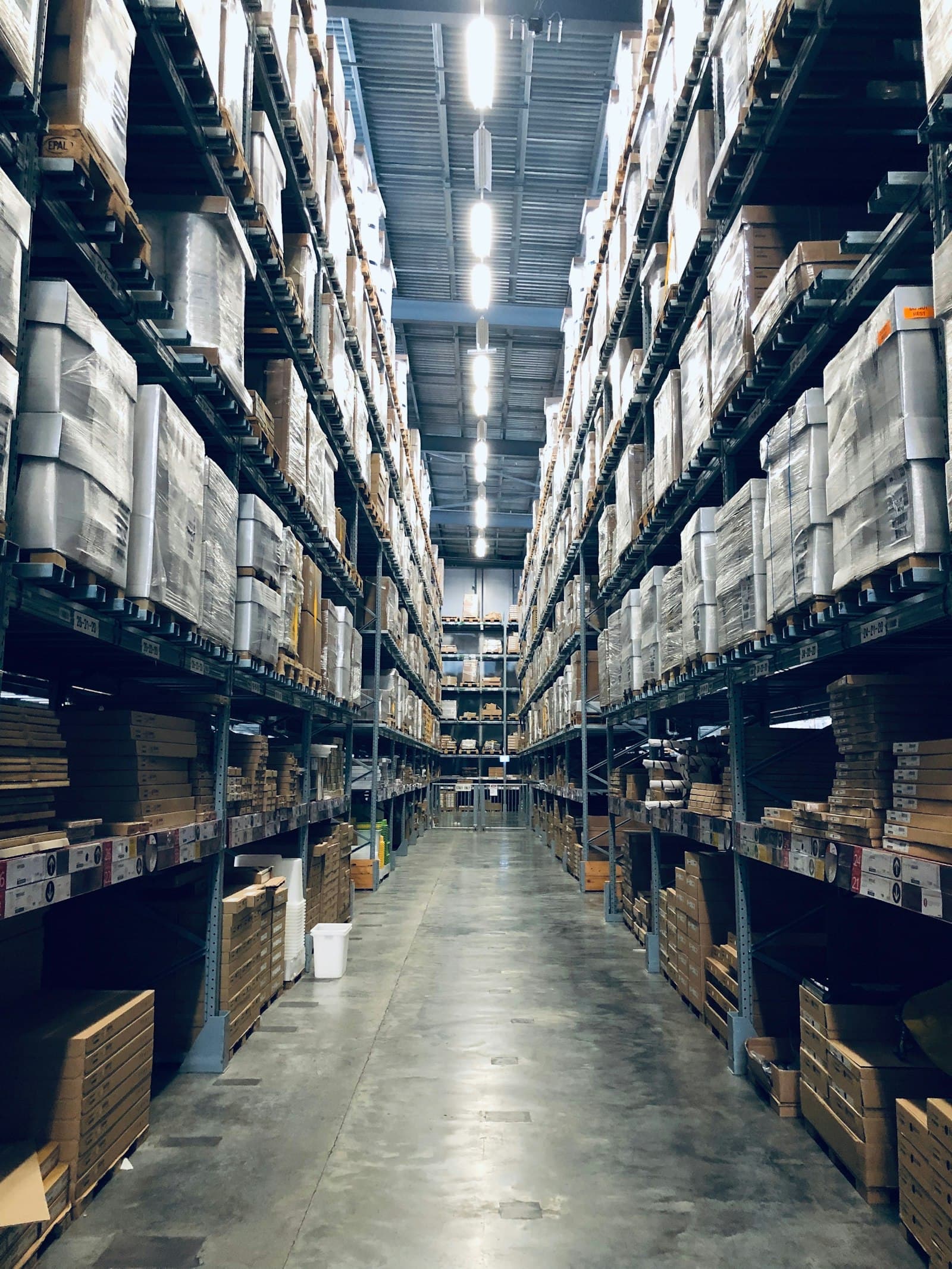
02 / 06
Production and shop floor
Production runs on batches, and every batch is a record: what went in, which machine ran it, who ran it, what came out. Department heads open a batch, record what was made, and the system creates coded identities for everything produced.
Machine level status means the plant is visible from anywhere. What each machine is running, how long it has been running, and what it is costing while it runs. Idle time stops being invisible — it gets a duration, a reason and a rupee figure.
Operator interfaces are built for a cheap Android phone held in one hand, in poor light, by someone who has never used software. If a worker needs training to press a button, the button is wrong. That is a design rule, not a slogan.
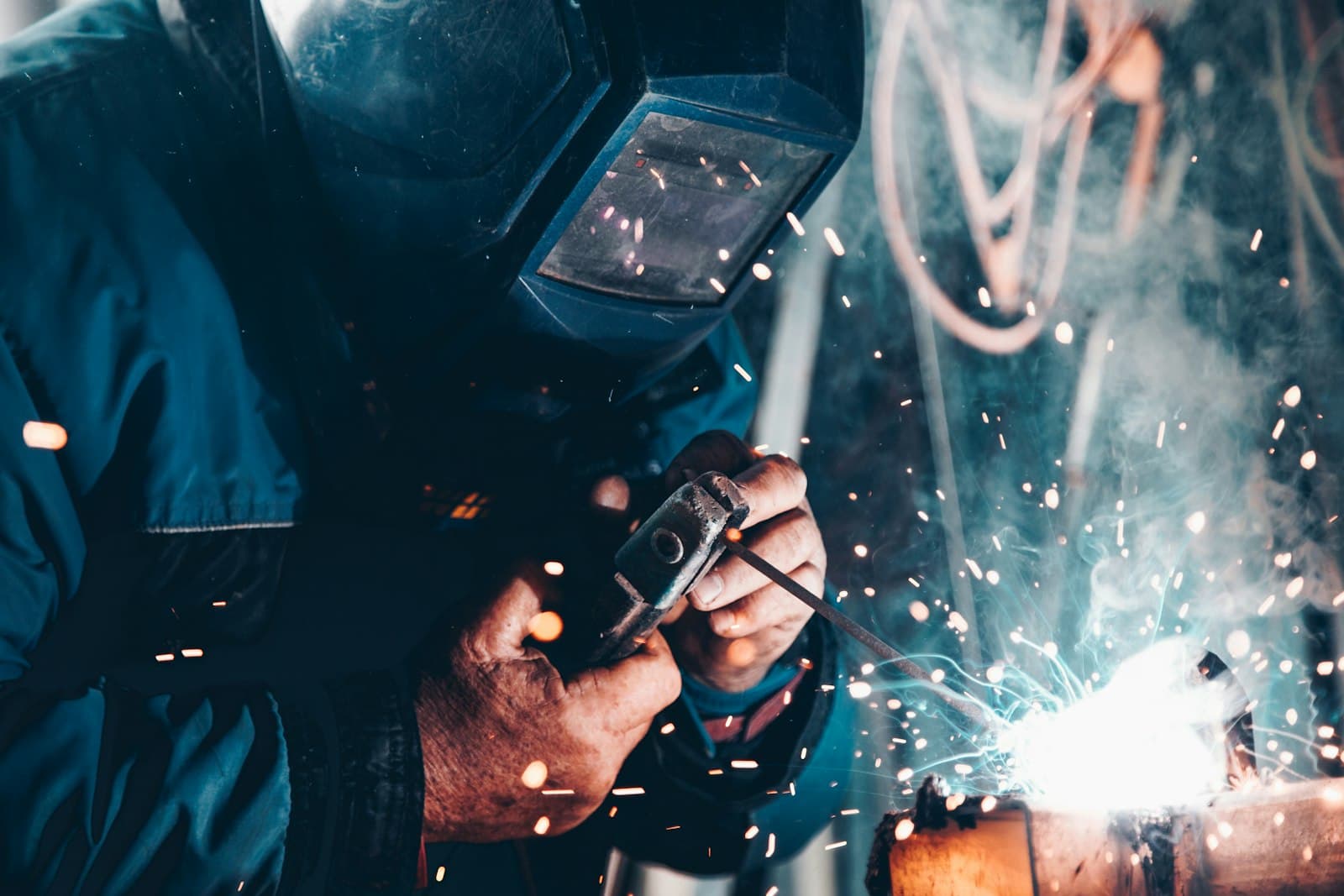
03 / 06
Batch costing and factory economics
Most factories know their costs once a year, from the accountant, as an average. That number cannot tell you which product, machine or shift is losing money.
Our costing is built from the events the floor already records: the material actually issued, the machine hours actually run, the labour actually applied. Cost per batch, per machine, per kilogram — on the day, not at year end.
This includes the costs nobody assigns today. When a machine sits idle for four hours, that time has a rupee value, and it lands somewhere. Almost no factory can currently answer what downtime cost them last month. Ours can, to the batch.
Ledger — append only
Live- 09:41:12GATEInvoice read — 240 units codedGATE-01
- 09:44:03STORESack A-4412 scanned inSTORE-01
- 10:02:57PRODBatch B-2214 openedDEPT-02
- 10:26:40PACKCarton C-118 sealed — 12 drumsPACK-01
- 10:31:19DISPATCHCarton C-118 scanned outDISP-01
- awaiting next event — nothing above can be edited
04 / 06
Manufacturing AI
Document intelligence reads supplier invoices and purchase orders and creates the records itself, with a human confirming against the paper in their hand. At a live factory this runs at the gate today: the guard photographs the invoice, AI extracts every line, and codes are minted for every unit on the truck.
Assistants let an owner ask his own factory a question in plain language — what did we produce yesterday, which batches used this drum, why is this month's thinner consumption high — and get an answer built from what actually happened on the floor, not from someone's recollection of it.
Anomaly detection watches cost, downtime and material loss, flags a batch that cost more than it should, and explains why in the language of the floor: the machine, the material, the shift.
05 / 06
Sales and orders, connected to the floor
In most factories, sales and production are two departments connected by phone calls. Sales does not know what production is doing. Production does not know what sales promised.
We build order systems into the factory rather than beside it. An order is linked to the batches that fulfil it, so when production moves, the order status moves by itself. Nobody calls the floor to ask where something is.
Customer history, promised dates and dispatch records live against production reality — what the floor actually did, not what a spreadsheet says it should have done.
06 / 06
Custom systems for any process
A machining line and a batch reactor do not run the same way, and their software should not pretend they do. Discrete or continuous, assembly or batch — we build for the process you actually run rather than forcing your factory into somebody else's template.
The build starts on your floor, not in a document. We walk the plant, follow the material, and put working software in front of you in two weeks. You shape it while it is being built.
And when it ships, you own it. Your code, your data, your infrastructure. No licence, no lock in, portable forever.