

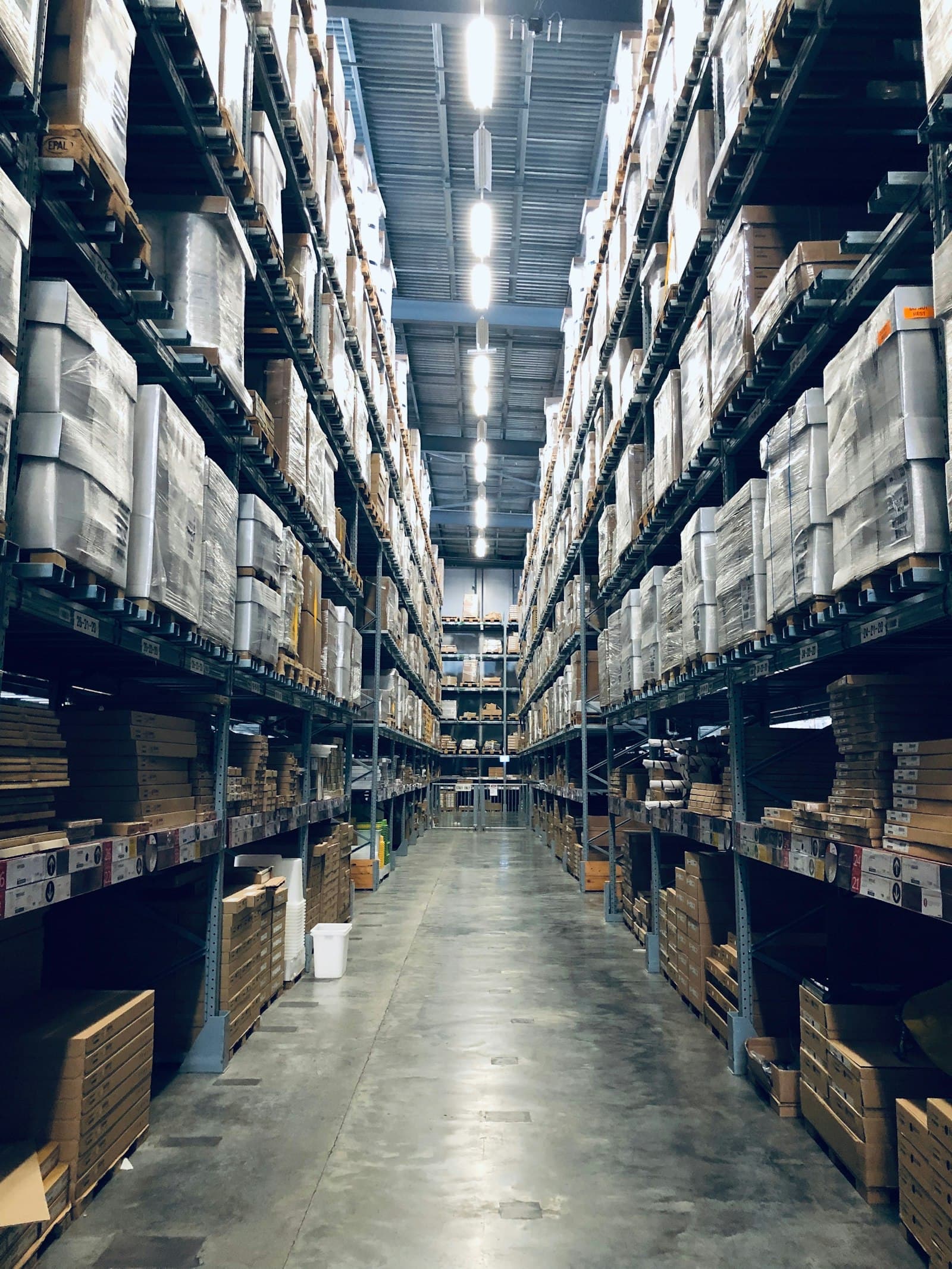
We build the intelligence layerfor factories.
Manufacturing is the last major industry without one. We put a complete factory system into live production in thirteen days, then we make it intelligent.
13days
empty repository to live production
5weeks
complete system, gate to dispatch
₹120crore
manufacturer, operating since 1998
Daily
running on the floor right now
Your factory has no memory.
This is not negligence. It is what happens when a business outgrows the system that built it.
Stock
Ask most factory owners what their stock is right now and they will walk to the store and ask someone.
Cost
Ask what a batch cost to produce and they will know at the end of the year, from their accountant.
Machines
Ask why a machine sat idle for four hours on Tuesday and there is no record it happened, no reason attached, and no cost assigned to it.
A paper register works beautifully at ten materials. It quietly stops working at five hundred. Nothing breaks on a particular day. The factory simply becomes larger than any one person can hold in their head, and from that point on, every decision is made with less information than the decision deserves.
Most owners wait until something goes badly wrong before they act.
The ones we work with move earlier.
Instrument. Then intelligence. Then models.
You cannot put intelligence on top of a factory that produces no data. So we start by making the factory legible, and everything after that compounds.
01
Instrument
Every physical object in the factory gets an identity. Every action gets a permanent record.
Material, machines, batches, people, cost. A factory that could not previously be measured becomes fully legible, down to the individual sack.
02
Intelligence
Intelligence built on top of that data.
Document understanding that reads a supplier invoice at the gate and creates the records itself. Assistants that let an owner ask his own factory a question in plain language and get an answer built from what actually happened on the floor that day. Anomaly detection on cost, downtime and material loss.
03
Manufacturing models
Models trained on real production execution data.
Not a general purpose model with a manufacturing prompt in front of it. Models that understand batches, yields, downtime, material variance and machine behaviour because that is what they were trained on.
Read about our manufacturing models →Every factory we instrument makes the next one faster and the intelligence sharper. This compounds. Software does not.
13
days to live production
Thirteen days.
A conventional ERP implementation takes twelve to eighteen months. It costs tens of lakhs. It ends with a system your floor resists using and a consultant you cannot reach.
We put a complete factory system into live production in thirteen days. The full platform, gate to dispatch, in five weeks.
That is not an improvement on the old way. It is a different order of magnitude, and it changes what is worth attempting.
Why this is possible
We are an AI native engineering company. We build with AI at every layer of our own process, which compresses what used to take a team a year into what takes us weeks.
The same technology we deploy into factories is the technology we are built out of.
Most software companies sell AI. We are made of it.
Systems that run on the floor, not in a boardroom.
Six systems. One append only ledger of truth beneath them all.
Material and inventory traceability
Every sack, drum and carton carries its own identity from the supplier's invoice to the customer's dispatch. Scan any code and see its entire life. Stock that cannot go negative and cannot be quietly adjusted.
Production and shop floor
Batch processing, machine level status, operator interfaces built for a phone held in one hand. Live visibility of every machine in the plant, what it is running, and what it is costing while it runs.
Batch costing and factory economics
What a batch actually costs. Material, machine time, labour, broken down per batch, per machine, per kilogram. Including what idle time and downtime cost you, in rupees, which almost no factory can currently answer.
Manufacturing AI
Document intelligence that reads invoices and purchase orders. Assistants that answer questions about your own factory in plain language. Anomaly detection that flags a batch that cost more than it should and explains why.
Sales and orders, connected to the floor
Order systems built into the factory rather than beside it. When production moves, the order status moves. Nobody calls the floor to ask where something is.
Custom systems for any process
Discrete or continuous, assembly or batch, we build for the process you actually run rather than forcing your factory into somebody else's template.
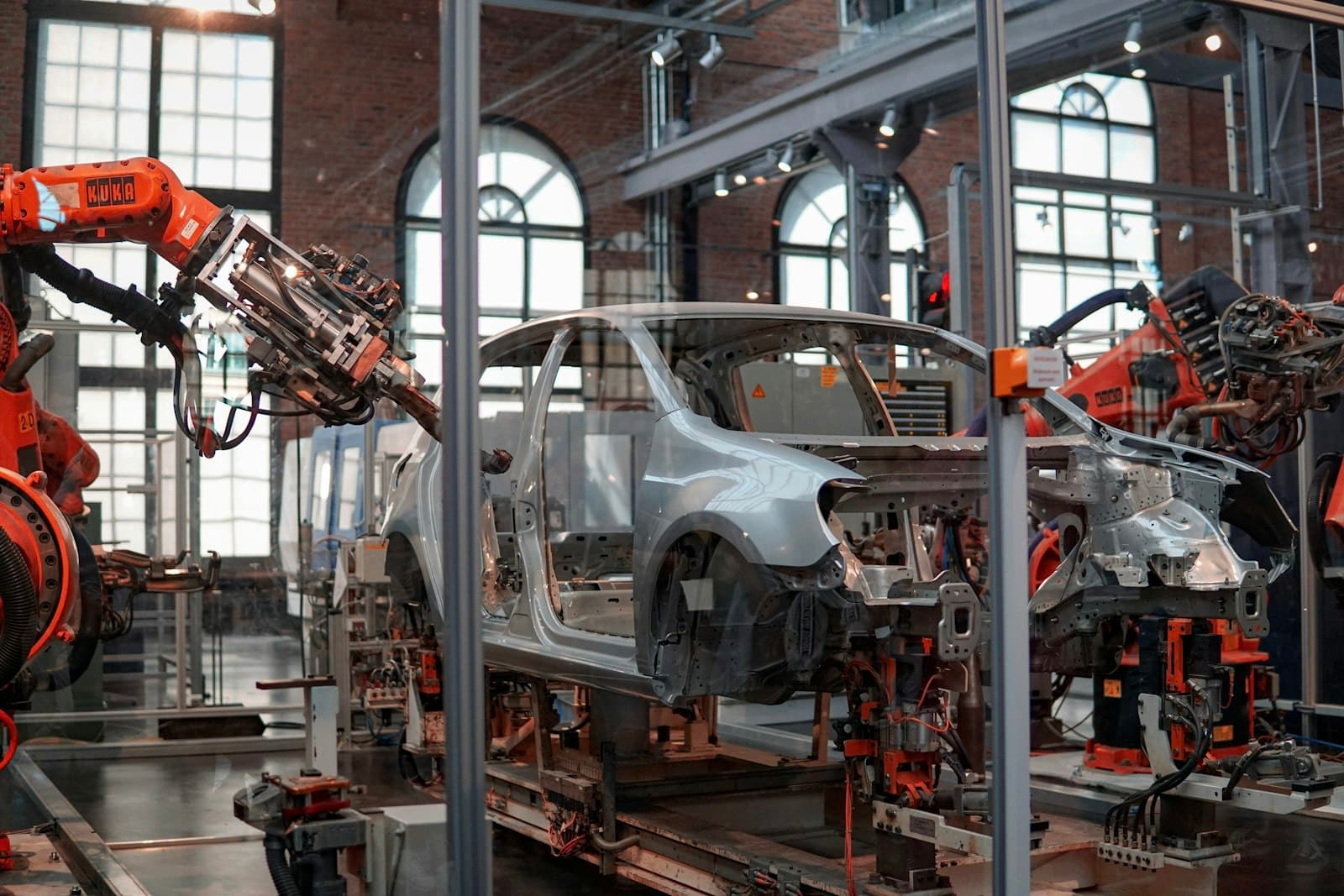
A ₹120 crore paint manufacturer, running since 1998.
One factory, told honestly.
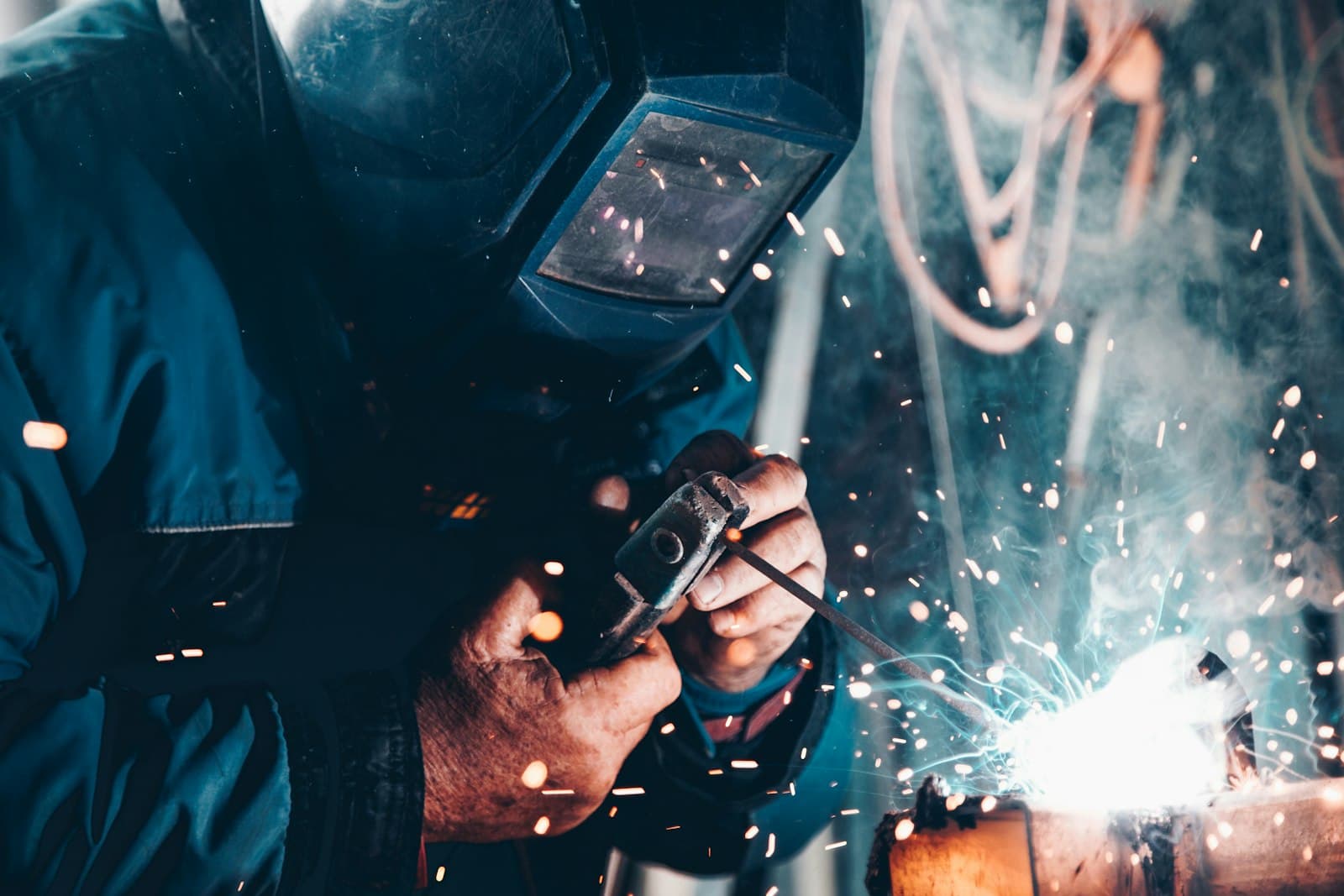
Five hundred raw materials. Three production departments. Trucks arriving with two and a half thousand sacks at a time. All of it recorded in a paper register.
Thirteen days after the first line of code, the system was live in production. Five weeks later it covered the entire factory, gate to dispatch.
Every sack, drum and carton now carries its own QR code. AI reads the supplier invoice at the gate and creates a record for every unit on the truck. Eleven role scoped logins, each person seeing exactly their own job and nothing else. An append only ledger where no record can be edited or deleted, ever.
Halfway through the build, the owner asked us to add an entire department that was never in the scope.
He did not ask because we sold it to him. He asked because he had started to trust it.
He has since commissioned a second system.
Ledger — append only
Live- 09:41:12GATEInvoice read — 240 units codedGATE-01
- 09:44:03STORESack A-4412 scanned inSTORE-01
- 10:02:57PRODBatch B-2214 openedDEPT-02
- 10:26:40PACKCarton C-118 sealed — 12 drumsPACK-01
- 10:31:19DISPATCHCarton C-118 scanned outDISP-01
- awaiting next event — nothing above can be edited
500
raw materials
2,500
sacks in one truck
11
role scoped logins
0
records that can be edited
Not how software is usually delivered to a factory.
Five differences. Each one deliberate.
The usual way
How we do it
They spend six months writing a requirements document.
We walk your floor, then put something you can touch in front of you in two weeks.
They show you one demonstration at the end.
We show you working software throughout, so you shape it while it is being built rather than reacting to it once it is finished.
They build what the document says.
We build what your floor actually does. At one factory the owner saw the first phase working and asked for an entire department that was never in scope. It shipped.
They hand over and disappear.
We stay on as your technology partner. The system keeps improving after go live, not only before it.
They sell you a licence and lock you in.
We build it, you own it. Your code, your data, your infrastructure. No licence, no lock in, portable forever.
Built to the standard of infrastructure, deployed on a factory floor.
The standards are not negotiable. The floor depends on them.
01
Append only event ledger
Nothing in our systems can be edited or deleted. A correction is a new event, never an overwrite. Stock cannot go negative. Every action is permanently attributed to a person and a time. This is how financial systems are built. It is how factory systems should be built.
02
Unit level identity
Not batch level, not lot level. Every individual sack, drum and carton carries its own identity from supplier invoice to customer dispatch.
03
Authorisation at the server, never the interface
Access is enforced where it cannot be bypassed, not by hiding buttons from people who should not see them.
04
Production AI pipelines
Document understanding running in a live factory today, with human confirmation retained in the loop where it matters.
05
Tested like infrastructure
Five hundred and twelve tests on a system a factory depends on every day.
06
Modern stack, no legacy
TypeScript end to end. NestJS, PostgreSQL, React 19, event sourced architecture, deployed on edge infrastructure.
We build for factory floors because we have stood on them.
3,000+
orders executed by hand
150+
operational conversations, five states
5
specialist engineers, one sector
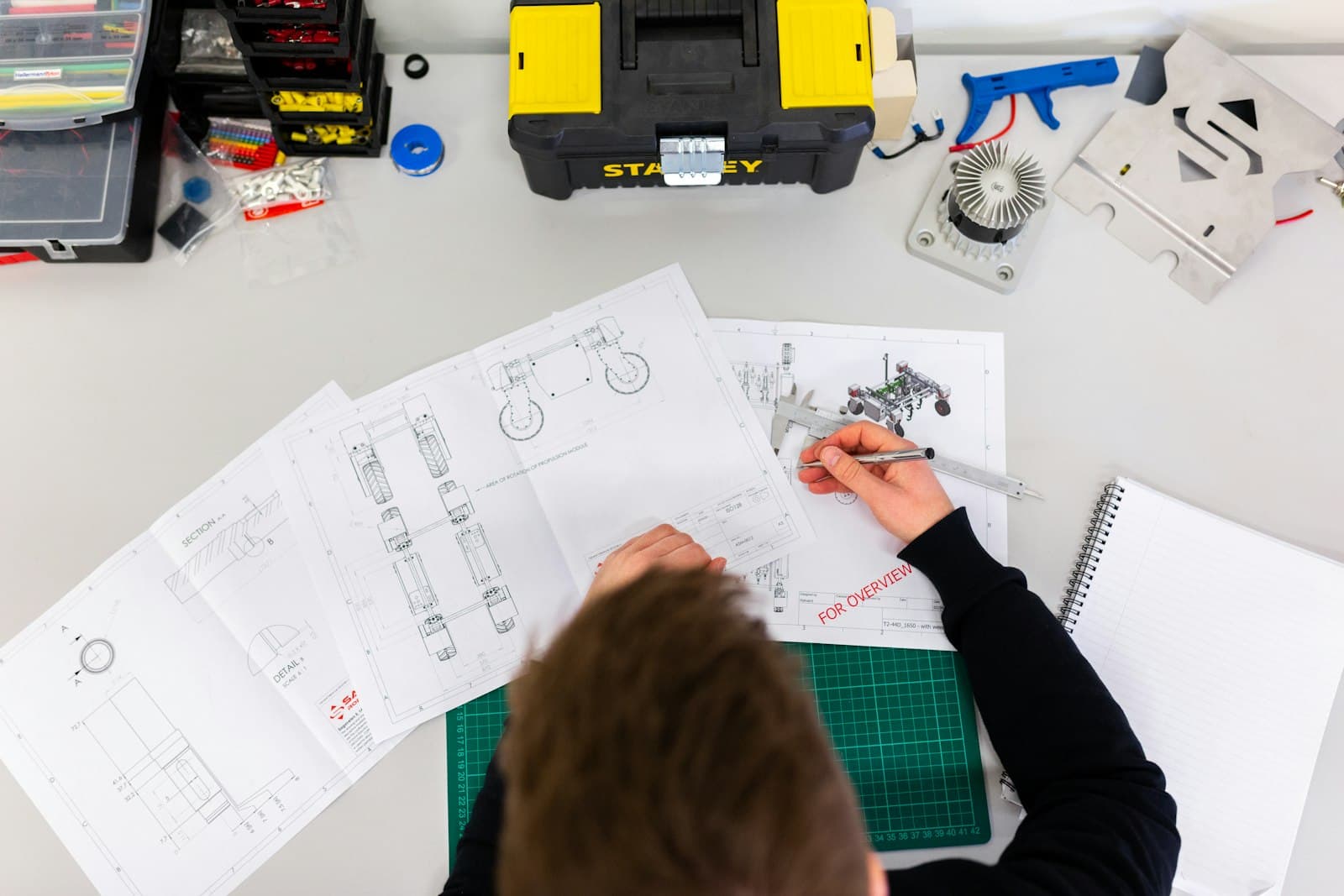
Before writing a single line of code, our founder personally executed over three thousand manufacturing orders. By hand. On WhatsApp. The way most of the industry still runs.
Since then we have conducted more than a hundred and fifty structured operational conversations with manufacturers across five states, sitting in their offices and walking their floors.
That is the whole reason this works. You cannot design a system for a factory from a desk. You have to have made the mistakes, felt where the register fails, and understood why the people on the floor resist software that was designed without them.
We are a small engineering team of five, covering full stack product engineering, AI and machine learning, data engineering, infrastructure and quality.
We work only with manufacturers. We take no projects outside this sector, and we do not intend to.
More about us →Every kind of factory.
The process differs. The problem does not. Material comes in, something happens to it, product goes out, and almost nobody can tell you precisely what it cost.
Paints, coatings, inks and dyes
Chemicals, specialty and agrochemicals
Pharmaceutical formulation
Adhesives, sealants and lubricants
Polymers, rubber and plastics
Engineering and auto components
Cycles, fabrication and assembly
Steel, rolling and metal processing
Electronics and components
Textiles, dyeing and apparel
Food and beverage processing
Paper, printing and packaging
If you manufacture something and cannot see it clearly, we can build for you.
How we work in your industry →Asked and answered.
Straight answers, the way we give them on a call.
Tell us what you make.
The first conversation is short. You tell us what you manufacture and where things currently break. We tell you honestly whether we can help and roughly what it would take. No slide deck, no pitch.
Call or WhatsApp
+91 62397 12653Email
official@leorit.xyzBased in
Mohali, Punjab