
Thirteen days from paper to production.

A ₹120 crore industrial paint manufacturer in Ludhiana, operating since 1998.
This is not a struggling business. It has run successfully for more than twenty five years.
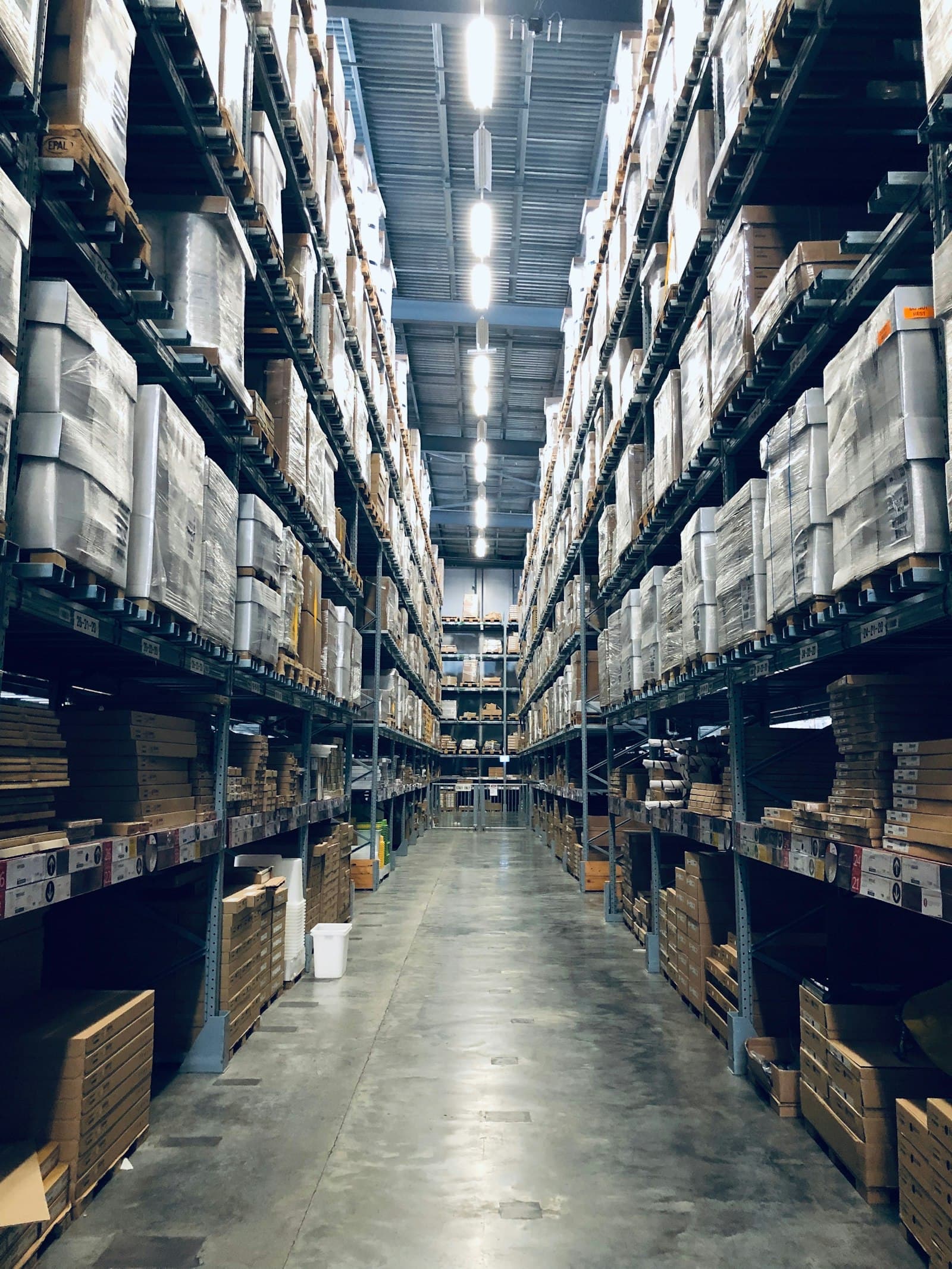
Five hundred raw materials. Three production departments. Trucks arriving carrying two and a half thousand sacks at a time. Eight regular suppliers. Thousands of physical units moving through the plant every week.
All of it recorded in a paper register.
Nothing was broken. That is what makes this the interesting case.
The register worked. The people knew their jobs. Material arrived and product left.
But the owner could not see his own factory. To know what was in the store, he walked to the store and asked. To settle a question about last month's delivery, someone found the right page in the right book. To know what anything cost, he waited for the year end.
The system had not failed. It had hit a ceiling, and the business had grown past it.
At the gate
The guard photographs the supplier's invoice on his phone. AI reads it and extracts every line. He checks it against the paper in his hand and confirms. Unique codes are created for every sack on the truck and a goods receipt note prints with the code ranges and signature lines. The store never sees the invoice or any price.
In the store
The store desk receives the digital receipt note, accepts it, and prints one QR sticker per sack. Each sack is scanned in, one beep after another. A sack becomes stock only once it has been scanned. When a department needs material, the head raises a request, the store scans the exact drum being issued, oldest first, and the balance updates instantly. It cannot go negative.
In production
Each department head sees only his own department. He opens a batch, records what was made, and the system creates codes for every drum produced, with separate code families for paint, hardener and thinner.
At packing
The packer scans finished drums in and builds one list covering single drums and combination cartons together. One confirmation creates a carton level code for every carton at once, and one print produces every label in order. Scanning any carton tells you exactly what is inside it.
At dispatch
Cartons are scanned out against a completion bar. A returned drum is scanned back in as scrap or refurbished, with its full history intact.
For the owner
Everything. Every invoice image, every receipt note, every scan with the person and the time attached. He can see anything and change almost nothing, which is exactly why he can trust what he sees.
Each person sees only their own job.
Gate. Store. Three department heads. Packer. Dispatch. Two reviewers who see the invoice beside the digital record and take no actions. The owner. Plus administration.
Every action is stamped with who did it, permanently, and cannot be edited or removed.
20 June
First line of code.
3 July
Live in production. Thirteen days.
10 July
Material requests, issuing and full stock ledger.
20 July
Finished goods, dispatch, returns, full traceability.
25 July
Gate and store separation, reviewer logins, packing department, owner dashboard.
Five weeks, empty repository to a complete five stage factory system.
Every sack, drum and carton is individually traceable. Scan any code and see its entire life, back to the invoice it arrived on.
The owner sees live stock, every document and every person's activity from his phone.
Stock can never go negative. Every movement is one permanent ledger entry. Nothing can be deleted, only corrected on the record.
Receiving is scan and beep. No weighing at the gate, no manual writing.
A printed label cannot be quietly reprinted. Every copy after the first needs the owner's approval.
Midway through the build, after seeing the first phase working, the owner asked us to add an entire department that had never been in the scope. Packing, with combination cartons and carton level codes.
He did not ask because we sold it to him. He asked because he had started to trust it.
He has since commissioned a second system from us.